Healthy Culinary Revolution in Indonesia: How Modern Diet Trends Are Transforming Eating Habits in 2026
Indonesia’s Growing Demand for Healthier Culinary Choices
Indonesia’s food culture has always been associated with rich flavors, traditional recipes, and diverse regional ingredients. However, in recent years, a major shift has emerged as more Indonesians prioritize healthier eating patterns. The movement toward nutritious culinary options is no longer limited to fitness communities but has expanded into urban households, restaurants, food delivery platforms, and local food businesses.
The modern Indonesian consumer is increasingly looking for meals that provide both taste and nutritional value. Instead of simply choosing food based on price or convenience, many people now consider ingredients, calorie content, protein levels, and food processing methods before making purchasing decisions.
This transformation has created a new opportunity for the healthy culinary industry. Restaurants are introducing low-sugar beverages, high-protein menus, organic ingredients, and traditional Indonesian dishes with healthier cooking techniques.
The Rise of Sustainable and Balanced Diet Patterns
One of the strongest trends shaping Indonesia’s food landscape is balanced nutrition. Consumers are becoming more aware that extreme diets are not always sustainable. Instead, many are adopting flexible eating patterns that combine vegetables, lean proteins, healthy carbohydrates, and controlled portions.
The popularity of diets such as clean eating, Mediterranean-inspired meals, intermittent fasting, and plant-forward diets reflects a global influence adapted to Indonesian lifestyles.
According to the Food and Agriculture Organization (FAO), improving access to nutritious diets remains a major global challenge, with food quality and affordability becoming key priorities. The organization highlights nutrition improvement as an important factor in public health development.
Source: https://www.fao.org/nutrition/en/
In Indonesia, this awareness can be seen through the increasing popularity of meal preparation services, healthy catering companies, and nutrition-focused restaurants in major cities such as Jakarta, Bandung, and Surabaya.
Traditional Indonesian Food Meets Modern Nutrition
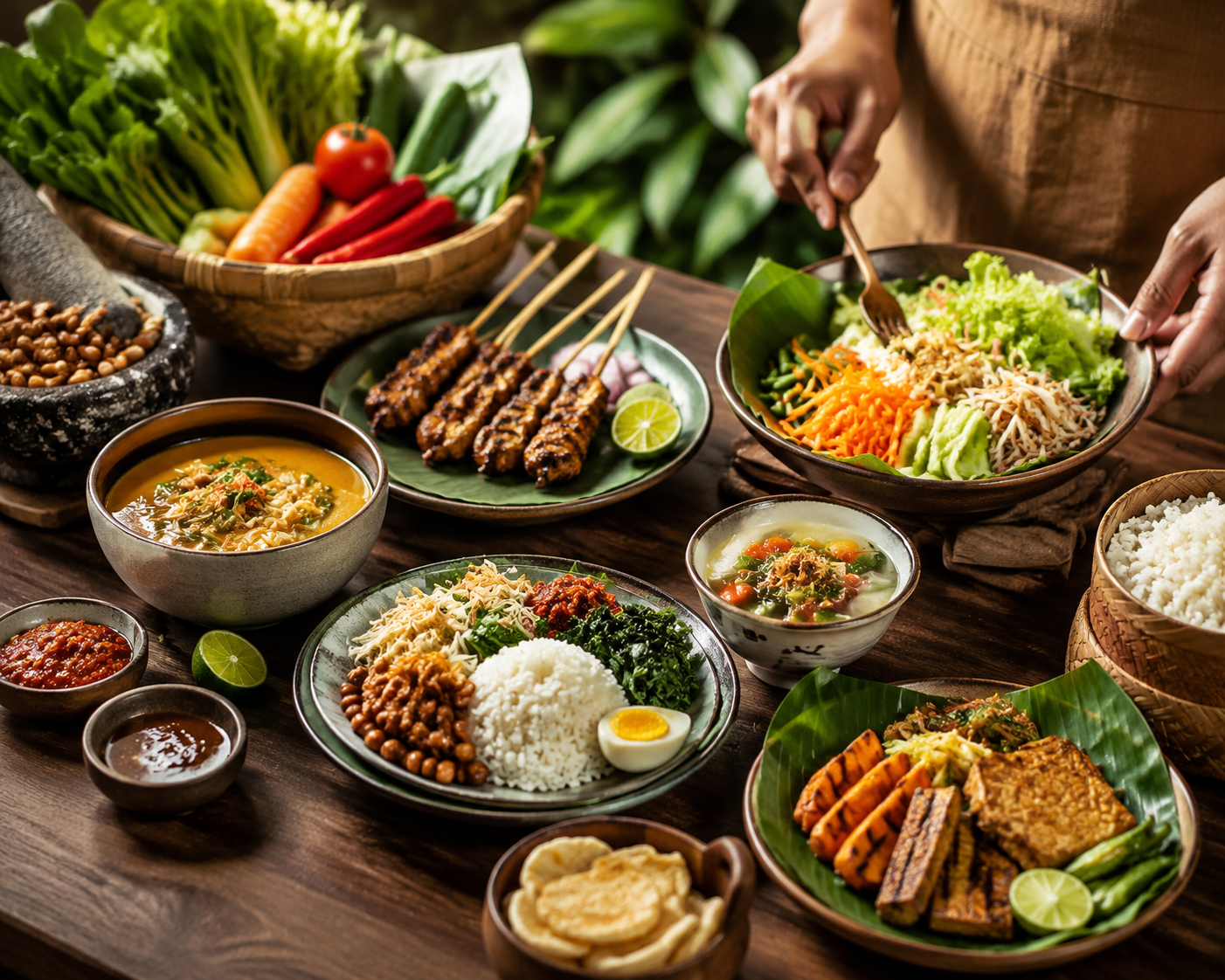
A unique aspect of Indonesia’s healthy culinary movement is the transformation of traditional cuisine. Instead of replacing local dishes with foreign diet concepts, many chefs and entrepreneurs are redesigning familiar foods with healthier approaches.
For example, Indonesian meals such as gado-gado, pecel, soto, and grilled fish dishes are being promoted as nutritious options because they naturally contain vegetables, herbs, and protein sources.
Restaurants are also reducing excessive oil usage, replacing refined sugar with natural sweeteners, and offering portion-controlled menus. This approach allows consumers to maintain cultural connections while improving their eating habits.
Digital Platforms Accelerate Healthy Food Awareness
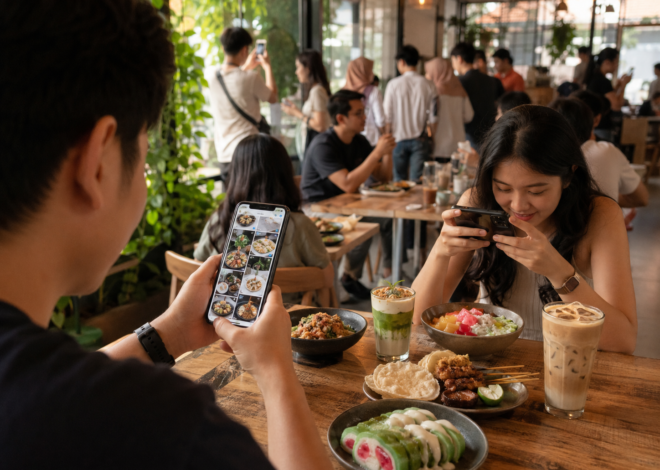
Technology has become a significant driver of Indonesia’s healthy food trend. Social media platforms, nutrition applications, and food delivery services allow consumers to discover new diets and compare nutritional information more easily.
Fitness influencers, nutrition experts, and health communities frequently share meal ideas, healthy recipes, and lifestyle education. This digital exposure has encouraged younger generations to view healthy eating as part of personal identity rather than a temporary diet program.
Future Opportunities for Indonesia’s Healthy Food Industry
The healthy culinary market in Indonesia has strong potential because consumers are increasingly connecting food choices with long-term wellness. Businesses that combine authentic Indonesian flavors with transparent nutrition information are likely to attract more customers.
The future of Indonesian cuisine may not depend only on creating new recipes but on improving how existing food traditions are prepared, marketed, and understood by modern consumers.

Related Posts
Menggali Harta Karun Rasa: Peta Baru Kuliner Halal Indonesia yang Melampaui Ikon Populer
Melampaui Rendang dan Sate: Menjelajahi Khazanah Rasa Nusantara yang Tersembunyi di Tahun 2026